
2026-10-17 ·
Emergency Roof Tarping: Steps to Take After a Storm in Conway, AR
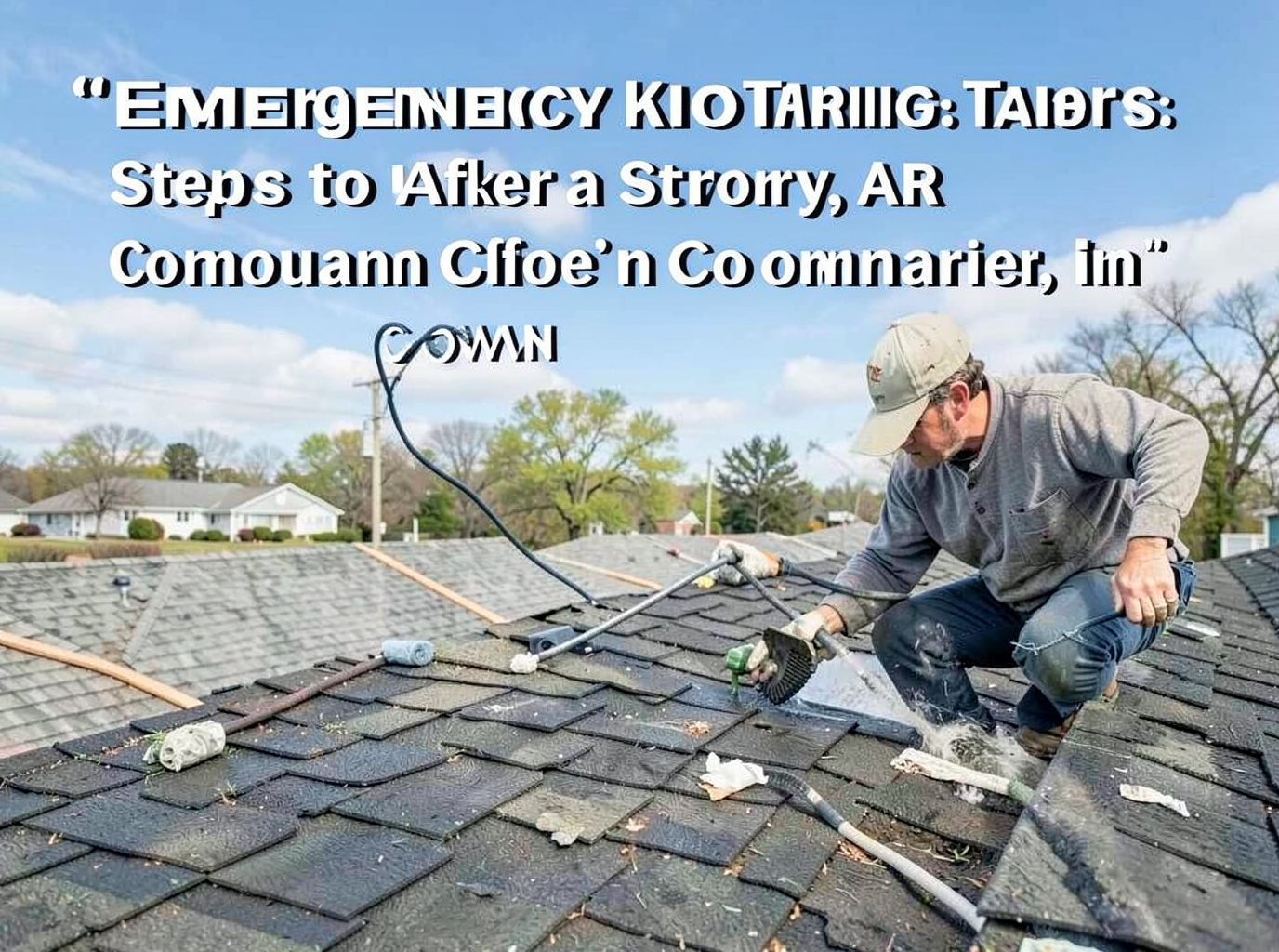
After a storm in Conway, AR, begin by inspecting from the ground for missing shingles or leaks, then apply temporary tarps within 24-48 hours to limit water intrusion on homes in West Conway or near Cadron.
Assessing Storm Damage in Conway Neighborhoods
Start your assessment from a safe distance on the ground before climbing any ladder. Walk around the property in West Conway or Downtown Conway and look for lifted shingles, dented flashing, or water stains inside attics. Homes near Hendrix College campus or Toad Suck Park often feature older stock with steeper pitches that collect debris faster during heavy winds. Check gutters and downspouts for clogs that direct water under the roof edge. Note any soft spots in the decking by pressing gently with a pole. Document everything with photos that include the date and time. If you see daylight through the roof or active dripping near Lake Conway properties, cover the area immediately rather than waiting for full daylight. This early check prevents small punctures from turning into widespread rot during the mild winters typical in Faulkner County.
Preparing and Installing Temporary Tarps
Gather 6-mil reinforced polyethylene tarps sized 10 by 20 feet or larger, along with 2x4 lumber battens and masonry screws rated for exterior use. Cut the tarp so it extends at least 4 feet past the damaged section on all sides. Secure the top edge first by sliding a batten under the course above the damage and fastening every 12 inches. Work downward, overlapping seams by 12 inches and fastening battens along each edge. On homes in Cadron or near Conway City Hall, avoid nailing directly into flashing or valleys. Use sandbags or weighted buckets on lower edges only when wind speeds stay below 30 mph. Test the tarp by spraying water from a garden hose after installation to confirm runoff directs away from the structure. Store extra material and fasteners on site for quick adjustments after follow-up storms.
Safety Precautions During Humid Summers and Mild Winters
Wear non-slip footwear and a hard hat when accessing the roof in Conway's hot summers, where surface temperatures can exceed 120 degrees by midday. Work only during early morning hours before 10am or after 5pm to reduce heat stress. Secure ladders on level ground with a spotter and extend them 3 feet above the eave. In mild winters, watch for hidden ice on north-facing slopes near Lake Conway that can form overnight even when daytime highs reach 50 degrees. Keep a fully charged phone and first-aid kit within reach. Never work alone on two-story homes in West Conway. If winds exceed 25 mph or lightning is present, postpone the job and monitor local forecasts from Little Rock or Jacksonville stations. These conditions directly affect how long a tarp stays secure before professional crews arrive.
Next Steps After Tarping and Professional Help
Once the tarp is in place, schedule a full inspection with a local crew experienced in Faulkner County roofs. They can evaluate whether Storm Damage Roof Repair or full Roof Replacement is needed based on decking condition. Review the related guide on How to Check a Roof for Hail and Wind Damage in Conway, AR to understand common failure points in the area. Contact Emergency Roof Tarping specialists available Mon–Fri 8am–6pm and Sat 9am–2pm from their Conway base. Follow up with the article on Roof Leaks, Flashing, and Gutters: Common Repair Issues in Conway, AR for ongoing maintenance after the tarp comes down. Keep records of all temporary work for insurance claims.